.svg)


Weeds do not suddenly appear in summer. By the time you see crabgrass spreading or dandelions taking over, the problem has already been building for weeks beneath the surface.
In Central Connecticut, weed growth begins when soil temperatures climb to around 55°F, typically between mid-April and early May, well before visible signs show up in your lawn.
That is why spring weed control in Central Connecticut is essential. It is a proactive approach that helps stop weeds before they take hold, making it easier to maintain a thicker, healthier lawn that stays clean and manageable through the warmer months.
Spring Weed Control in Central Connecticut is Primary
Spring is the most important time for weed control because it determines how your lawn performs for the rest of the year.
Weeds begin to germinate as soil temperatures rise, often before homeowners notice visible growth. At the same time, lawns are still recovering from winter stress, making them less competitive against invading weeds.
Key reasons to plan early:
- Stop weeds before they start: Apply pre-emergent when soil reaches around 55°F or when forsythia begins to bloom
- Reduce future workload: Early control limits the need for repeated treatments later
- Prevent spread: Acting early helps control invasive weeds before they take over larger areas
- Protect your lawn investment: Early treatments preserve turf health and reduce costly repairs
- Stay ahead of local conditions: Connecticut’s wet, unpredictable spring allows weeds to establish quickly if untreated
Commonly Found Spring Weeds in Central Connecticut
.jpg)
Understanding how to identify lawn weeds Connecticut homeowners commonly face is key to effective treatment.
Crabgrass and Other Early Annual Weeds
Crabgrass is one of the most common and aggressive weeds in Connecticut lawns. It germinates when soil temperatures reach the mid-50s and spreads quickly in thin or bare areas.
Dandelions, Clover, and Other Broadleaf Weeds
Broadleaf weeds like dandelions and clover often appear early in the season. These weeds grow quickly and compete with grass for nutrients, water, and sunlight.
Perennial Weeds That Return Every Year
Perennial weeds survive winter and return each spring. Without proper control, they continue to spread year after year and become more difficult to manage over time.
Best Time to Apply Pre-Emergent Weed Control
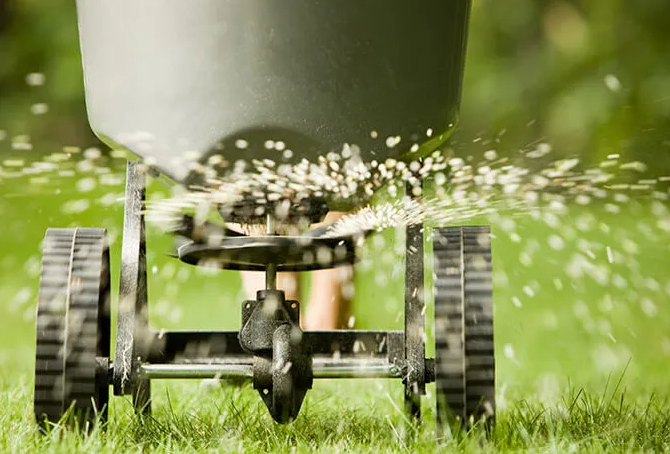
Pre-emergent herbicide is one of the most effective tools in lawn weed control, but it only works if it is applied at the right time. However, every homeowner must act fast.
Soil Temperature Drives Timing: Weed seeds like crabgrass begin to germinate when soil temperatures reach around 55°F. Once germination starts, pre-emergent can no longer prevent those weeds from growing.
Application Window is Narrow: In Central Connecticut, this typically occurs between mid-April and early May, depending on seasonal weather conditions. Applying just before this point allows the product to form a protective barrier in the soil.
Timing is Critical: Applying too early can reduce effectiveness, as the product may break down before weeds germinate. Applying too late allows weeds to establish, making prevention much more difficult.
Even missing this window by a short margin can significantly impact results and lead to weed problems later in the season.
How to Treat Existing Weeds in Spring
Once weeds are visible, prevention is no longer enough. Post-emergent treatments are needed to control growth and stop further spread.
Treat Early for Best Results: Weeds are easiest to control when they are young and actively growing. Early treatment improves effectiveness and reduces the need for repeat applications.
Match the Treatment to the Problem: Spot treatments work well for isolated weeds, while larger infestations may require full lawn applications for consistent control.
Use the Right Product for Each Weed Type: Different weeds respond to different herbicides. A targeted approach improves results and avoids unnecessary stress on your lawn.
Effective weed control Central CT lawn care strategies depend on accurate identification and applying the right treatment at the right time.
Weed and Feed vs. Separate Treatments: What Works Better
Many homeowners rely on combined products, but understanding weed and feed vs. separate treatments is important for better results.
Build a Thicker Lawn to Prevent Future Weeds
A strong, healthy lawn is your best defense against weeds. When turf is dense and actively growing, it naturally limits the space and resources weeds need to establish.
Dense Turf Blocks Weed Growth
Thick grass blocks sunlight from reaching the soil surface, making it harder for weed seeds to germinate and spread.
Aeration, Overseeding, and Lime Application
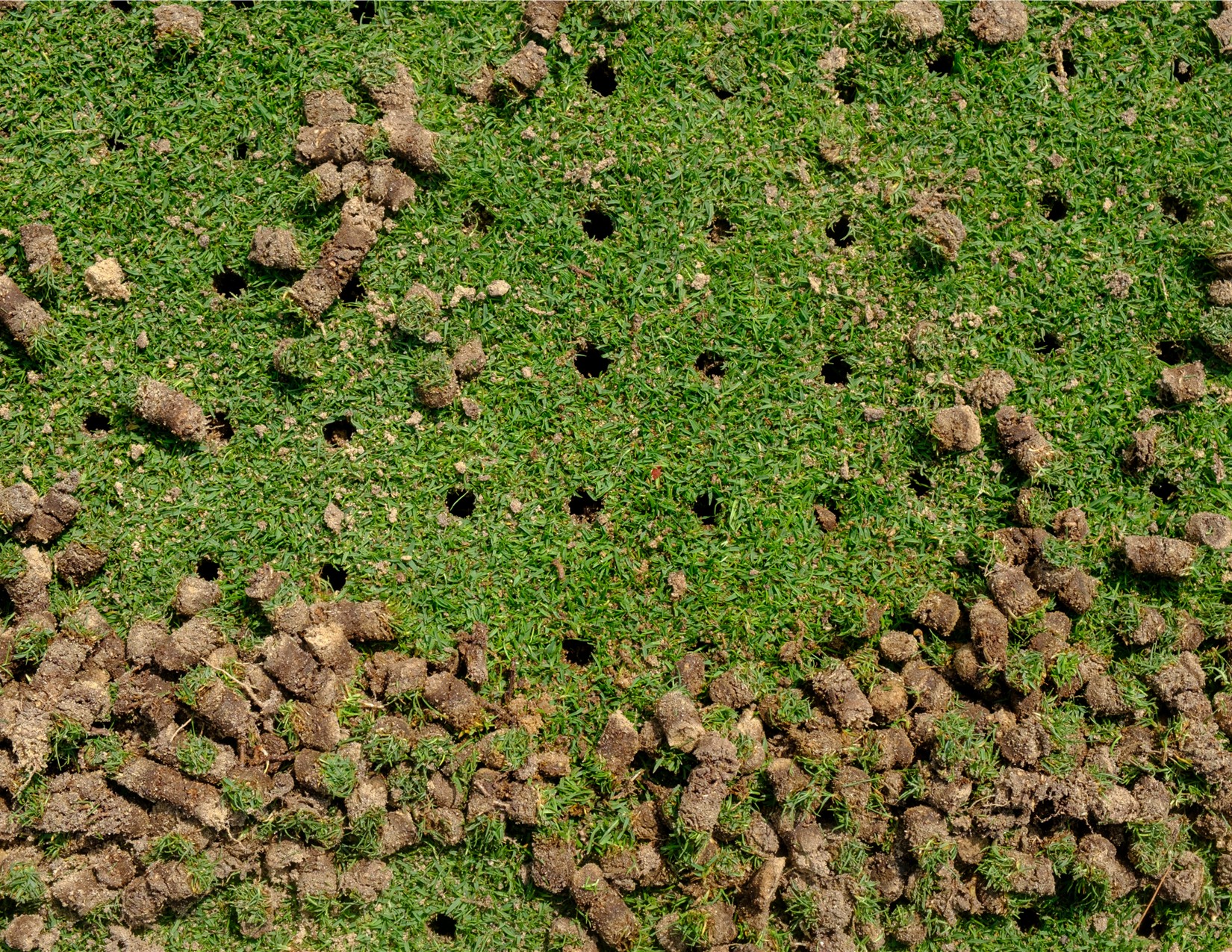
Core aeration improves soil structure and reduces compaction. Overseeding fills in thin or bare areas, while lime applications help balance soil pH, which is essential for nutrient absorption in Connecticut lawns.
Poor Soil Health Leads to Recurring Weeds
Compacted or nutrient-poor soil creates ideal conditions for weeds to take over. Improving soil health allows your lawn to grow thicker and compete more effectively.
These practices are often part of professional weed control services in Central Connecticut that homeowners rely on for long-term results.
Common Spring Weed Control Mistakes to Avoid
Avoid these common mistakes to improve results and keep weeds under control:
- Missing the pre-emergent window: Delayed application allows weeds like crabgrass to germinate and establish early
- Using the wrong product: Not all herbicides work on every weed type, leading to poor control
- Waiting too long to treat: Mature weeds are harder to eliminate and spread more quickly
- Relying on one-time treatments: Weed control requires proper timing and follow-up for lasting results
When Professional Weed Control Makes the Difference
Some lawn conditions require more than basic treatment. Professional care becomes essential when:
- Weeds keep coming back: Recurring infestations often point to deeper lawn or soil issues
- Multiple weed types are present: Different weeds require different treatments for effective control
- DIY results are inconsistent: General products may not deliver reliable or lasting results
- Lawn health is declining: Thin, weak turf creates ongoing opportunities for weeds to spread
- Precise timing is needed: Effective weed control depends on applying the right treatment at the right stage
Grow a Healthier, Weed-Free Lawn with Central CT Lawn Service
Great lawns do not happen by chance. They are built with the right strategy, timing, and local expertise.
- Trusted Across Connecticut: Serving over 13,000 properties, Central CT Lawn Service delivers expert care to homeowners across the region
- Proven Local Expertise: The team understands Connecticut soil, weather patterns, and weed cycles, allowing for more precise and effective treatments
- Customized for Lasting Results: Programs are designed to prevent weeds while improving overall lawn health
- Complete Lawn Care Solutions: Services include soil testing, core aeration, seasonal fertilization, overseeding, lime applications, and EPA-approved weed control
With the right plan and expert support, your lawn stays greener, healthier, and easier to maintain all season.
FAQs
When should I apply pre-emergent in Central Connecticut?
Apply when soil temperatures reach around 55°F, typically between mid-April and early May.
What are the most common spring weeds in Connecticut lawns?
Crabgrass, dandelions, clover, and other broadleaf weeds are common in early spring across Connecticut lawns.
Can I apply weed control before the last frost?
Yes, as long as soil temperatures are approaching the correct range for treatment.
How often should I treat weeds in spring?
This depends on weed type and severity, but early treatment reduces the need for repeated applications.
Does rain affect weed control treatments?
Yes, heavy rain can reduce effectiveness if it occurs shortly after application.
Should I fertilize and apply weed control at the same time?
Not always. Separate treatments often produce better results.
Can I overseed after applying pre-emergent?
Pre-emergent can prevent new grass seed from growing, so timing is important.
Why do weeds keep coming back every spring?
Recurring weeds are often due to poor soil health, thin turf, or missed preventive treatments.
Is professional weed control better than DIY?
Professional care provides more precise timing and targeted treatments for better long-term results.
How long does it take to see results after treatment?
Results vary, but most treatments begin working within a few weeks.